
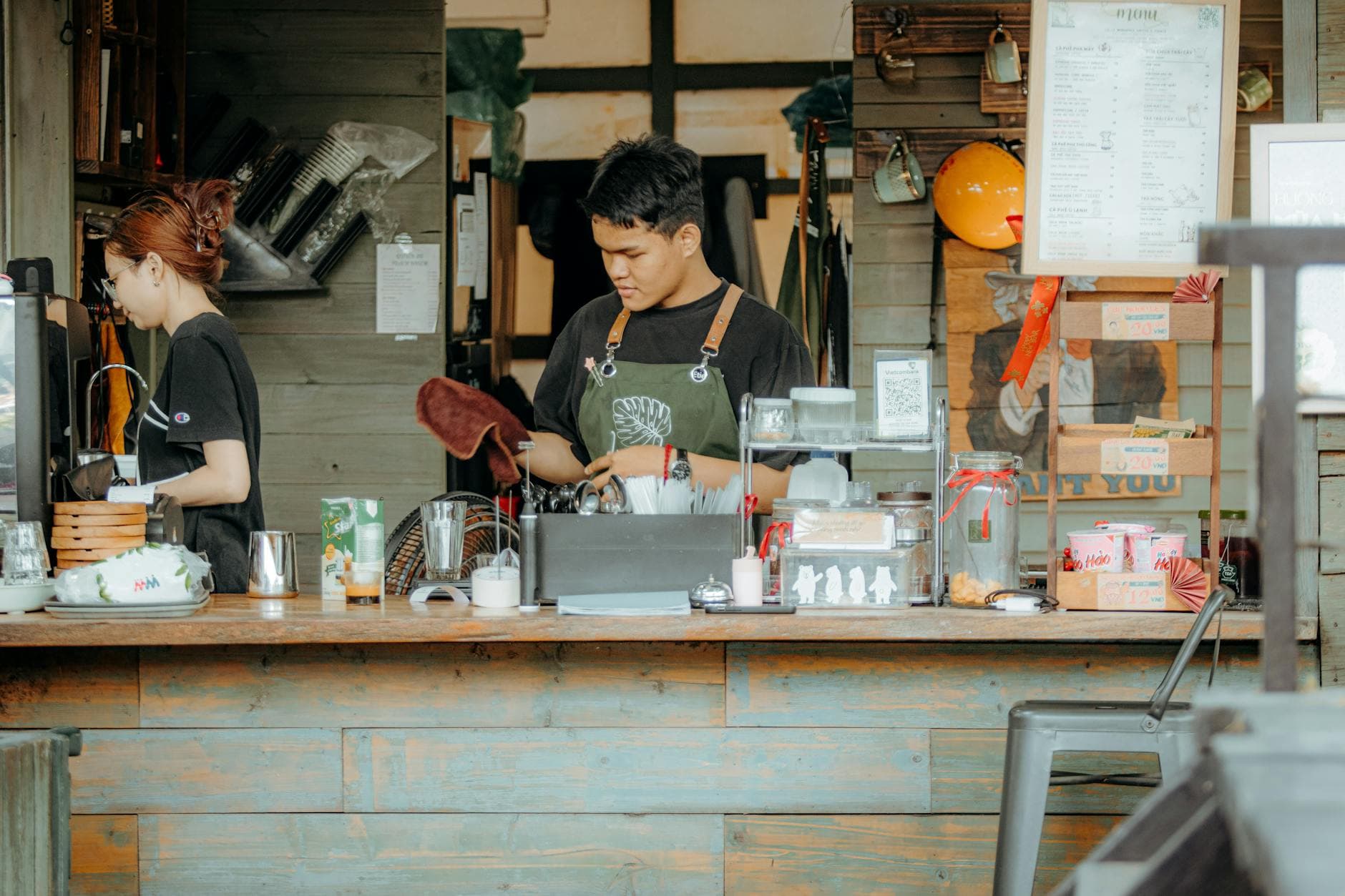
A digital menu board usually beats a printed menu on ROI when your restaurant changes prices, specials, dayparts, or availability more than a few times per year. Printed menus still win for low-change table service, premium tactile branding, and backup use. The real decision is update frequency, not novelty.
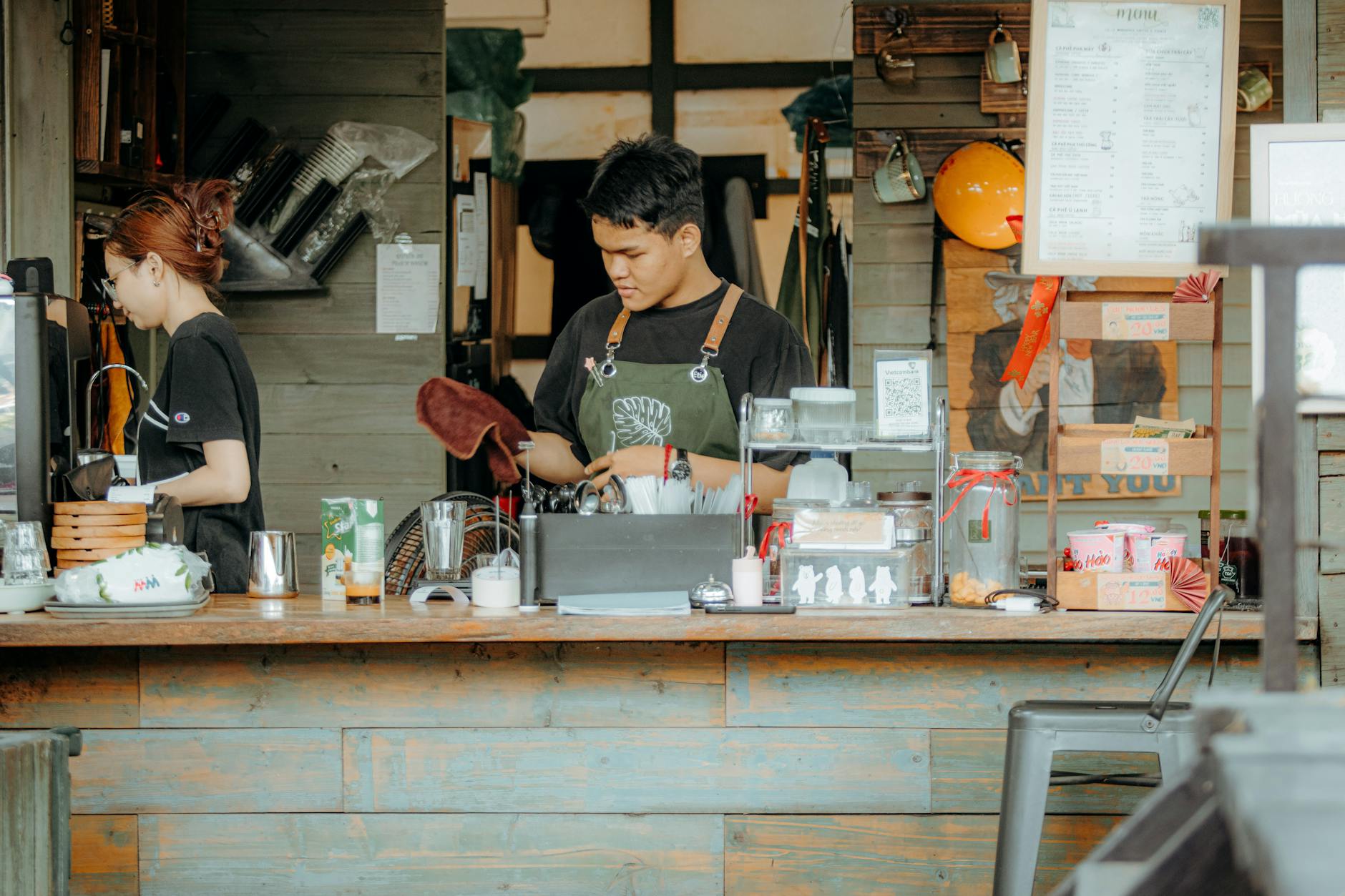
The "digital menu board vs printed menu" debate gets messy because both sides compare the wrong things. A printed menu is not just paper. It is design time, reprint cycles, outdated prices, staff confusion, and waste when items change. A digital menu board is not just a screen. It is hardware, software, setup time, content discipline, and the ability to change what guests see in seconds.
For restaurant owners, ROI comes from three places:
- Avoided print and reprint costs
- Faster updates when prices, items, or availability change
- Better promotion control for profitable items and limited-time offers
This comparison shows where each format wins, how to calculate payback, and when a hybrid approach is smarter than replacing every menu at once.
What is the short ROI verdict?
Digital menu boards win when menu information changes often. Printed menus win when the menu is stable, the guest experience depends on a physical object, or the restaurant does not have enough update volume to justify a screen.
The simplest decision rule is this:
| Restaurant situation | Better default |
|---|---|
| QSR, cafe, bakery, food court, bar counter | Digital menu board |
| Daily specials or rotating inventory | Digital menu board |
| Frequent price changes | Digital menu board |
| Fine dining table service | Printed menu |
| Very small menu with rare changes | Printed menu |
| Brand depends on paper, texture, or wine-book presentation | Printed menu |
| Multi-location price/menu consistency | Digital menu board |
Toast's 2025 restaurant survey found that 48% of operators plan to raise menu prices if inflation continues, while 40% cite profitability as their top goal. That matters because every print-based price change creates a delay and a hard cost before the restaurant can protect margin. (Toast)
If you already own a compatible TV, the digital side of the ROI equation improves quickly. You are not comparing "paper vs expensive installation." You are comparing recurring print work against a screen that can be updated through software.
For restaurants still planning their first screen, start with the workflow in how to set up a digital menu board, then use this ROI model to decide how many screens actually make sense.
Where Printed Menus Still Win
Printed menus are not dead. They still do three things better than screens.
First, they are tactile. In full-service restaurants, a guest can hold the menu, browse at their own pace, and feel the brand through paper weight, finish, and layout. That can matter for steakhouses, tasting menus, wine lists, and concepts where the menu is part of the ritual.
Second, they are simple. A printed menu never loses Wi-Fi, needs a browser, restarts after a power flicker, or depends on someone remembering to publish changes.
Third, they are cheap when nothing changes. A restaurant with a stable menu, rare price changes, and no need for breakfast/lunch/dinner switching may not recover screen costs quickly.
Nation's Restaurant News reported in 2025 that 83% of operators say restaurant technology provides a competitive advantage, but only 28% say tech investments have improved profitability. The lesson is practical: technology helps only when it solves a real operating problem, not when it is purchased for appearance. (NRN)
The mistake is treating print as "free" after the first run. It is only cheap if the information stays correct.
Cost Comparison: Digital Menu Boards vs Print
The cleanest comparison separates upfront cost from operating cost.
| Cost category | Printed menu | Digital menu board |
|---|---|---|
| First setup | Design plus print run | Screen plus software setup |
| Update cost | Design edits, print, delivery, staff replacement | Software edit and publish |
| Speed of change | Hours to weeks | Seconds to minutes |
| Best ROI trigger | Stable menu | Frequent updates |
| Risk | Outdated paper in circulation | Screen/software reliability |
Here is a conservative example for a single-location counter-service restaurant.
| Assumption | Printed menu | Digital board with existing TV |
|---|---|---|
| Initial design/update cycle | $250 | $0 to use existing layout |
| Reprint cycle | $150 each | $0 per update |
| Reprint cycles per year | 6 | 0 |
| Software | $0 | See Visora pricing |
| Annual print/update cost before labor | $1,150 | Software subscription |
That model does not require a dramatic sales lift. If the restaurant already changes prices, specials, or dayparts, much of the ROI comes from avoiding repeated production work.
Grand View Research estimated the global digital signage market at $31.09 billion in 2025 and projected $33.56 billion in 2026. The growth reflects adoption across retail, hospitality, transportation, and restaurants, but each restaurant still needs its own payback math. (Grand View Research)
If you buy new commercial displays, the first-year hurdle is higher because hardware, mounts, and setup time enter the equation. This is why browser-based software matters. If you can start with a TV you already own, the experiment becomes easier to justify. Restaurants that want restaurant-specific screen use cases can also compare options in our best digital signage software for restaurants guide.
How do menu changes affect ROI?
Menu changes are where printed menus become expensive.
A price change on paper creates a chain of work: update file, proof, print, ship or pick up, remove old menus, install new menus, and hope old copies are not still circulating. A price change on a digital menu board is a content edit.
That difference matters in 2026 because restaurant pricing is not static. Operators are reacting to ingredient costs, labor pressure, and changing demand.
Toast's 2025 full-service restaurant data found that 51% of FSR operators plan to raise menu prices if costs rise over the next 12 months. Toast also reported that 57% of diners understand why restaurants need price increases, which makes clear, timely menu communication more valuable. (Toast)
Menu boards also create ROI when they remove friction around availability:
- Hide sold-out items before the lunch rush gets messy
- Promote high-margin items during slower dayparts
- Switch breakfast, lunch, dinner, and late-night menus automatically
- Show limited-time offers without printing temporary inserts
- Keep multi-location pricing consistent from one dashboard
That is the important distinction: a digital board is not valuable because it is digital. It is valuable because it changes the operating cost of change.
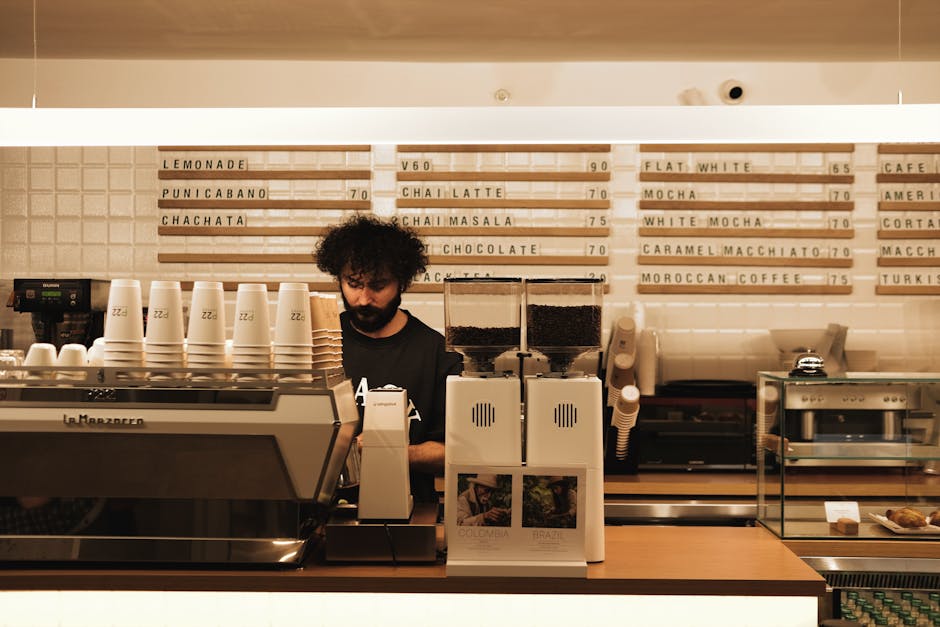
Photo by Beyzaa Yurtkuran / Pexels
When does a digital board break even?
Use this formula:
Break-even months = digital setup cost / monthly avoided print cost plus monthly incremental gross profit
If you use an existing TV, setup cost may be mostly software and content time. If you buy commercial displays, setup cost includes hardware, mounts, and installation.
The most useful ROI question is not "Will a screen pay for itself?" It is "Which screen pays for itself first?" For many restaurants, the first profitable screen is not in the dining room. It is behind the counter, where guests decide quickly and staff repeat the same clarifications all day.
Grand View Research's 2026 U.S. market release says the 32 to 52 inch screen segment held the largest share in 2025, a useful range for counter-service menus. That supports a practical setup: use readable screen sizes before overbuilding a video wall. (Grand View Research)
The break-even gets faster when one screen does multiple jobs: main menu, specials, upsell prompts, sold-out notices, and QR codes for full details. If the board only displays a static PDF of your old printed menu, payback slows down. The screen has to do work that paper cannot.
Try the low-risk version first
Use Visora to publish one menu board to a TV you already own, then measure reprints avoided, price-change speed, and one promoted item for 30 days.
Compare Visora pricingWhat hidden costs should restaurants include?
Digital menu boards and printed menus both have hidden costs.
Printed menu hidden costs include old prices left on tables, emergency reprints, staff time replacing inserts, off-brand temporary signage, and delays before a new offer can go live. Digital menu board hidden costs include screen purchase if needed, mounting, power access, software, staff training, and a backup plan if the internet drops.
Nation's Restaurant News and Restaurant Business reported that 88% of restaurant operators expected to invest in new technology in 2025. With that much adoption pressure, restaurants need sharper filters: buy technology when it reduces cost, increases control, or improves guest decisions. (NRN)
A fair comparison includes staff time. If a manager spends 30 minutes each week updating chalk inserts, taping temporary signs, or answering "Is this price still right?", that is part of the print cost. If a manager spends the same time keeping a digital board fresh, that is part of the digital cost.
The difference is leverage. One digital update can reach every connected screen immediately. One print update has to be physically replaced wherever the old version exists.
Which restaurants should choose digital vs printed?
Choose a digital menu board if your restaurant has counter ordering, high item turnover, menu price changes more than two or three times per year, dayparts, limited-time offers, sold-out item friction, multiple locations, or a TV already available for menu use. Choose printed menus if your restaurant has a stable menu, full-service table browsing, premium paper as part of the brand, low change frequency, glare-heavy placement, or no clear owner for digital content updates.
AVNetwork reported that Little Caesars completed a cloud-managed digital menu board rollout across thousands of restaurants in 16 countries in under six months. The useful takeaway for smaller restaurants is not scale; it is centralized control over prices, availability, languages, and menu consistency. (AVNetwork)
Most restaurants should not make this an all-or-nothing decision. A hybrid setup is often strongest:
- Digital boards for the counter menu
- Printed menus for seated guests
- Digital specials during high-margin dayparts
- Printed catering menus for sales calls
- QR codes for detailed nutrition or allergen information
That lets you move the most change-heavy content to screens while keeping print where it genuinely improves the guest experience.
How should you run a low-risk test?
Run the test like an operator, not like a designer.
Pick one screen, one goal, and one measurement window. Do not redesign every menu, buy three displays, and judge the project by vibes.
Use this 30-day test:
| Week | Action | Measure |
|---|---|---|
| 1 | Publish current menu to one screen | Setup time and staff questions |
| 2 | Highlight one high-margin item | Units sold vs previous period |
| 3 | Add a timed special | Redemptions or item mix |
| 4 | Make one live price or availability change | Time saved vs print process |
Toast's 2025 survey found 47% of operators are focused on increasing staff efficiency to manage labor challenges. A digital menu board test should therefore measure staff time and order clarity, not just screen appearance or design preference. (Toast)
For content quality, keep the first board simple:
- Fewer items per screen
- Clear section names
- Large prices
- One featured item, not six
- High contrast
- No tiny descriptions
- No animation unless it helps the guest decide
For layout ideas, use the examples in restaurant menu board design ideas. For cost planning, compare the test against Visora pricing and the print cost you actually paid over the last 12 months.
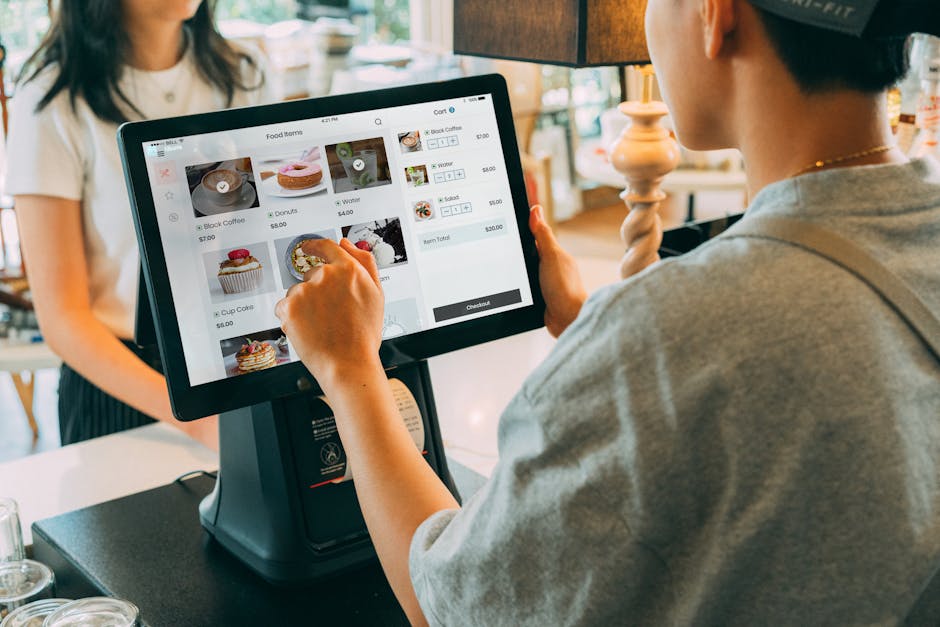
Photo by iMin Technology / Pexels
Frequently Asked Questions
Is a digital menu board cheaper than a printed menu?
A digital menu board is not always cheaper on day one. It becomes cheaper when it avoids recurring print, design, delivery, and staff replacement costs. Restaurants with frequent price changes, specials, or dayparts usually see stronger ROI than restaurants with stable table-service menus.
How long does a digital menu board take to pay for itself?
Payback depends on hardware. If you use an existing Smart TV, the break-even can be fast because the setup cost is low. If you buy new commercial displays, payback depends on avoided reprints, software cost, staff time saved, and any incremental profit from promoted items.
Do digital menu boards increase restaurant sales?
They can, but only when used actively. A digital menu board can highlight profitable items, switch offers by time of day, and remove sold-out items before guests ask. A static PDF copied from a printed menu is unlikely to create meaningful lift.
What is the biggest ROI driver for digital menu boards?
Control. The ability to update prices, remove items, change specials, and keep every screen consistent is the main ROI driver. Sales lift is useful, but avoided friction and avoided reprints are easier to measure first.
When should a restaurant keep printed menus?
Keep printed menus when the tactile experience matters, the menu rarely changes, or guests need time to browse at the table. Printed menus are still strong for fine dining, wine lists, catering, and premium brand moments.
Can a restaurant use both printed menus and digital menu boards?
Yes. Many restaurants should use both. Digital boards work well for counter menus, specials, and fast updates. Printed menus work well for seated dining, wine lists, takeout inserts, and contexts where guests want something in hand.
What is the safest first digital menu board setup?
Start with one existing TV, one menu board, and one measurable goal. Track reprints avoided, staff time saved, and the performance of one promoted item for 30 days. Expand only after that first screen proves useful.
Build the menu board before buying more hardware
Visora lets restaurants publish menus, specials, and price updates to existing screens so you can prove ROI before committing to a bigger rollout.
Start with Visora pricing