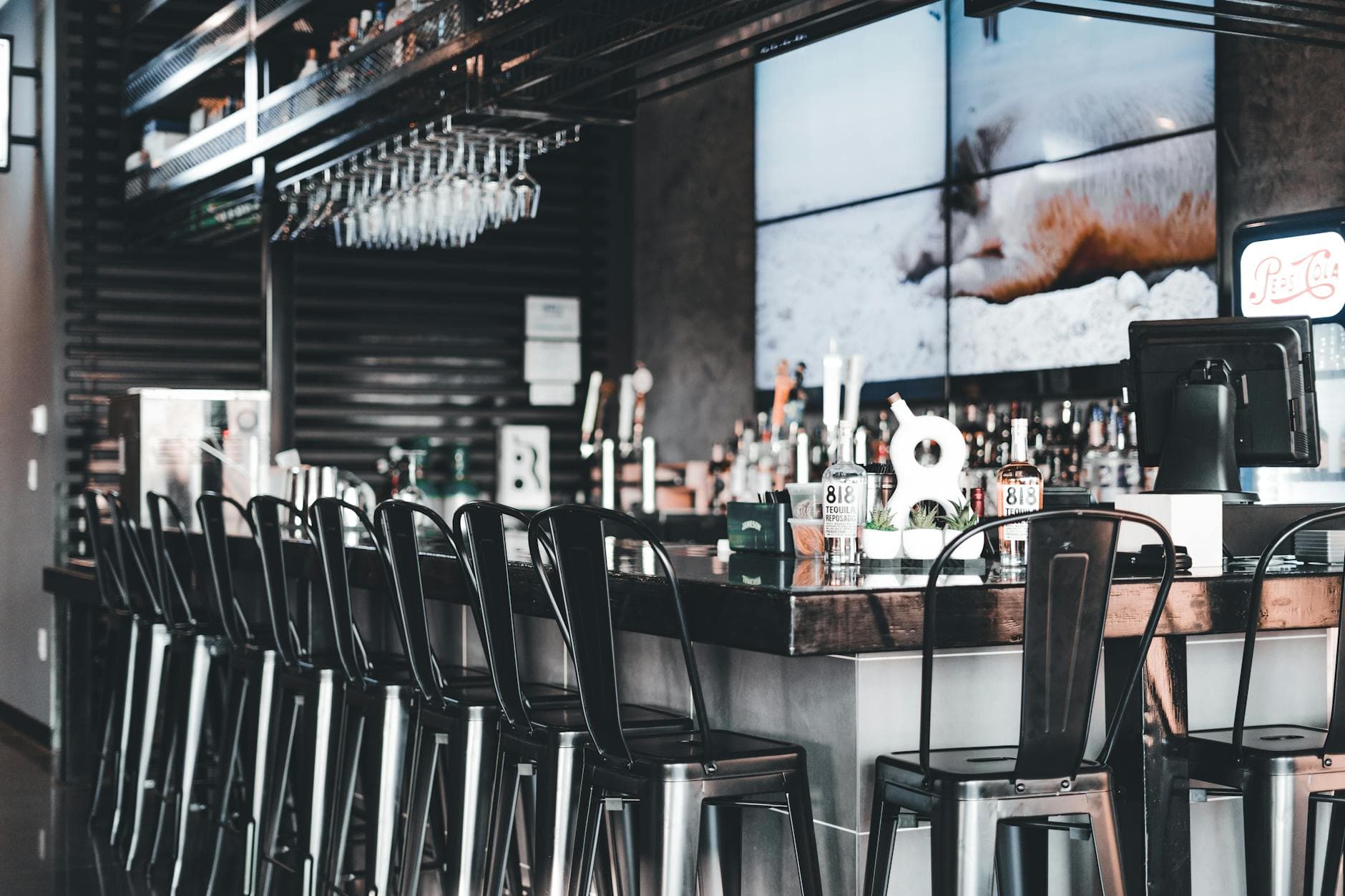
Digital signage for bars is worth it when your venue changes specials, events, menus, or crowd messaging by time of day. The best setup does more than decorate the room: it helps staff promote the right offer, in the right zone, at the right moment, without reprinting signs.
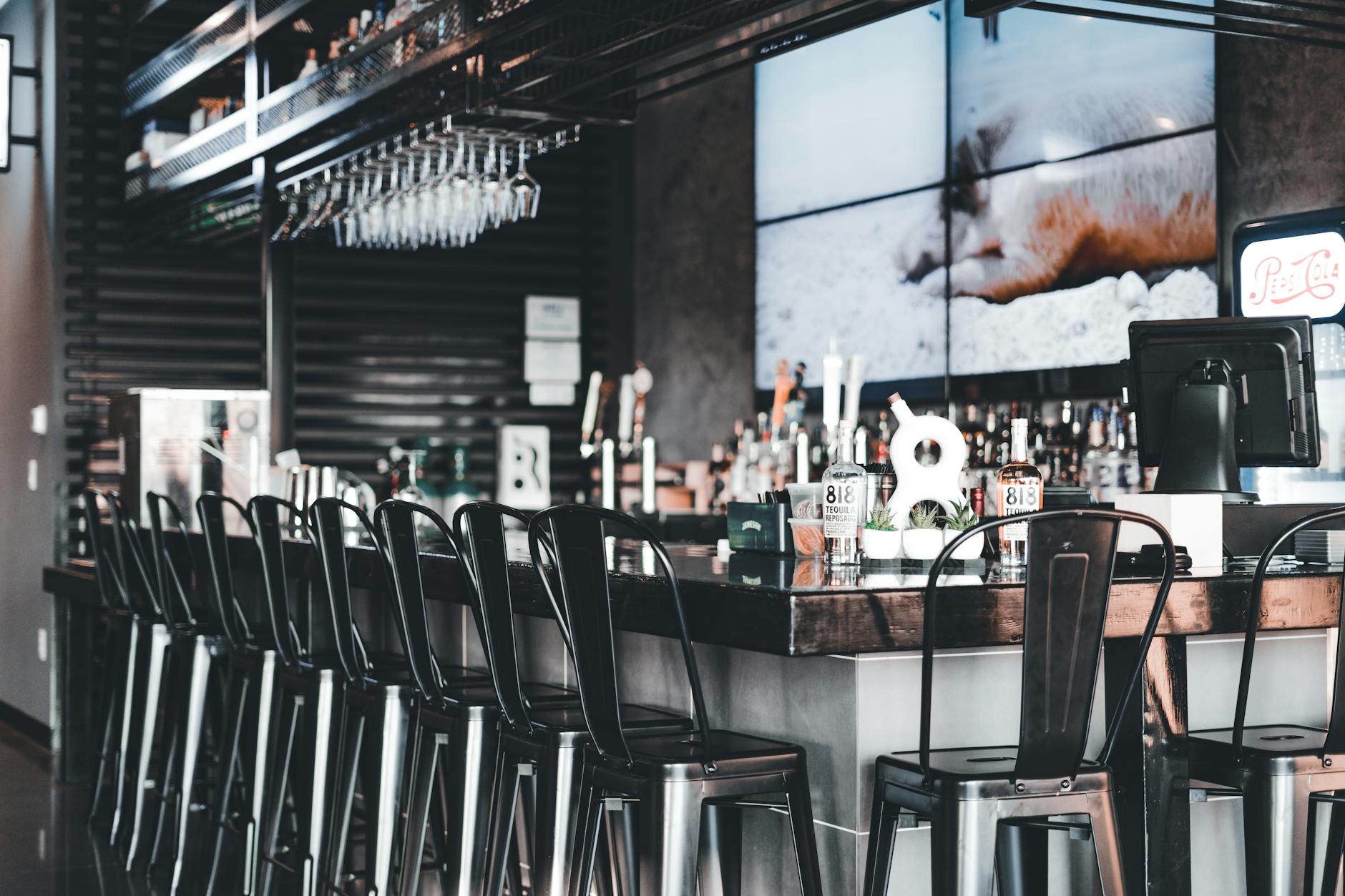
Photo by Erik Mclean / Pexels
Why does digital signage for bars matter in 2026?
Grand View Research estimated the global digital signage market at USD 31.09 billion in 2025 and projected USD 58.42 billion by 2033. North America held 35.6% of revenue in 2025, which shows signage is no longer a novelty category for venues that need real-time messaging.1
Bars and nightclubs change faster than most restaurants. The message at 5 pm is not the message at 11 pm. A weekday happy hour, a Saturday DJ set, a playoff game, a private party, and a late-night food push all need different content.
That is where digital signage helps. It turns screens into an operating layer for the venue, not just a loop of pretty visuals. A good setup can:
- Promote happy hour only during the active window
- Highlight high-margin drinks when guests are deciding
- Show the event lineup before the room fills
- Replace sold-out items without confusing the bar team
- Point guests toward QR ordering, reservations, or VIP areas
- Keep house rules visible without making staff repeat them all night
If you are building the broader venue experience, start with Visora's bars and nightclubs industry guide. This article focuses on the screen strategy: what to show, where to place it, and how to keep it current.
What should bar screens promote first?
Popmenu's 2026 restaurant trends report says 69% of consumers are more likely to choose restaurants with value meals and discounts, while 54% are less likely to choose venues with no affordable meals or discounts. Bar signage should make value visible without turning every screen into a coupon board.2
Start with the content that changes often or affects immediate ordering decisions. Most bars do not need a full-screen brand reel running all night. They need a practical rotation:
- Signature cocktails and high-margin drinks
- Happy hour specials and countdowns
- Tap list changes or limited releases
- Food pairings, bundles, and late-night snacks
- Event schedules for trivia, karaoke, sports, DJs, comedy, or live music
- VIP, bottle service, reservations, and private-event instructions
- QR codes for menus, ordering, loyalty, reviews, or social follows
The priority is not "show everything." The priority is "show what helps the next decision."
For example, a guest standing at the bar should not need to decode a full liquor list. They need the short path: best seller, special, premium upgrade, or easy group order. A guest near the entrance needs a different message: tonight's event, cover details, seating direction, or the reason to stay.
That is why digital signage works best when it is tied to the actual floor plan.
Where should screens go inside a bar or nightclub?
Square's 2025 nightlife data found meaningful late-night transaction share in several U.S. cities: Detroit reached 28.4% of in-person restaurant and bar transactions between 7 pm and 4 am in Q3 2025, followed by Fayetteville at 24.2% and Miami at 22.7%.3
Placement should follow guest behavior. A bar can have six screens and still underuse them if every screen plays the same generic slide. Better: assign a job to each zone.
Entrance screen
Use it for tonight's hook: live music, DJ, trivia, sports, cover, private event direction, waitlist QR code, or a strong visual of the signature drink. This screen should answer, "Why should I come in or stay?"
Back bar or order point
This is the commercial screen. Use it for drink menus, specials, tap lists, premium pours, shot bundles, and group offers. Keep text short because guests are usually scanning while ordering.
Table and lounge areas
These screens can carry slower content: upcoming events, loyalty prompts, social content, QR ordering, photo moments, birthday packages, or food pairings. They support the next order rather than the current order.
Stage, dance floor, or DJ area
Use these screens carefully. In high-energy zones, visuals should support the atmosphere first. Save dense menus and QR codes for areas where guests can actually read them.
Sports bar walls
Sports bars need a separate logic. One screen may carry the game, while nearby signage can show beer buckets, wing specials, kickoff countdowns, and next-game schedules. Do not cover the main reason people came in.
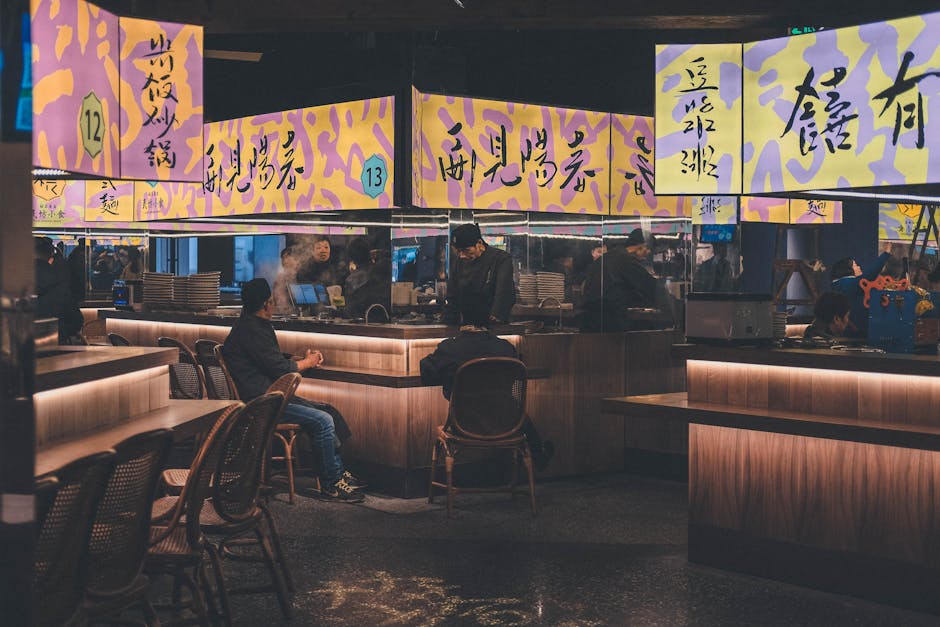
Photo by 7ens_km / Pexels
How do you schedule content for happy hour, events, and late night?
The National Restaurant Association's 2025 State of the Restaurant Industry report found 8 in 10 cocktail drinkers want discounted drinks during slower times, 75% would participate in cocktail tasting events, and 77% of beer drinkers want discounted beer when restaurants are less busy.4
Scheduling is the feature that separates true digital signage from "a TV with slides." Bars should plan content by service window:
- Opening: food, early drinks, quiet visuals, reservation reminders
- Happy hour: discounts, timers, group offers, house cocktails
- Pre-event: lineup, cover, start time, table minimums, QR reservations
- Peak: short drink prompts, premium upgrades, minimal text
- Late night: shots, shareables, closing kitchen time, last call warnings
- Game day: team colors, beer buckets, kickoff countdowns, next match
This avoids one of the biggest bar signage mistakes: leaving a happy hour promo visible after it ends. Nothing creates staff friction faster than guests seeing an offer the team can no longer honor.
For small venues, keep the first version simple. Build one weekday playlist and one weekend playlist. Then add event-specific overrides only after the staff is comfortable updating content.
If you need a screen system for this kind of dayparting, compare the venue workflow with Visora pricing before buying extra media players or locking into a setup that only one person can maintain.
Hardware and Software Checklist
Grand View Research reported that video walls accounted for 25.5% of digital signage revenue in 2025, with entertainment venues among the use cases for large-format displays. That does not mean every bar needs a video wall; it means hardware should match the screen's job.1
You can start lean if the screen is indoors and your team only needs menus, specials, and event slides. Many bars begin with existing TVs, then upgrade specific zones later.
Use this checklist before you buy:
- Does the screen need to be readable in sunlight?
- Will it run for long hours every day?
- Is it near heat, humidity, grease, or heavy traffic?
- Does the venue need one screen, a few screens, or synchronized walls?
- Can staff update content without a USB drive?
- Can playlists change automatically by time or day?
- Can different locations or rooms show different content?
- What happens if Wi-Fi drops during service?
Hardware is visible, but software determines whether the system survives after launch week. If every menu change requires a designer, a laptop, or an owner-only login, the screen will go stale.
For most bars, the better first question is not "Which screen is most impressive?" It is "Can the shift lead update tonight's special in under a minute?"
How should bars measure ROI without guessing?
Square reported that average tips in Q2 2025 peaked at 2 am, reaching 19.48% at bars compared with a 14.99% overall average. Late-night guests can be valuable, so signage should be measured by timely offers and operational clarity, not by screen count alone.3
Avoid vague ROI claims. A screen does not magically increase sales because it glows. It helps when the content changes behavior.
Track practical signals:
- Did the featured cocktail sell more during the promoted window?
- Did happy hour orders rise when countdown screens ran?
- Did event attendance improve after weekly schedule screens launched?
- Did staff answer fewer repeated questions about cover, start time, or rules?
- Did the venue reduce reprints for menus, posters, and table tents?
- Did average ticket change when bundles or premium pours were featured?
For a small bar, the first ROI target may be staff time and accuracy. If bartenders stop explaining the same three things all night, the screen is already helping operations. Revenue lift is easier to test once the content is stable.
That is why Visora recommends starting with a small screen plan for bars and nightclubs, then expanding once you know which messages actually move orders.
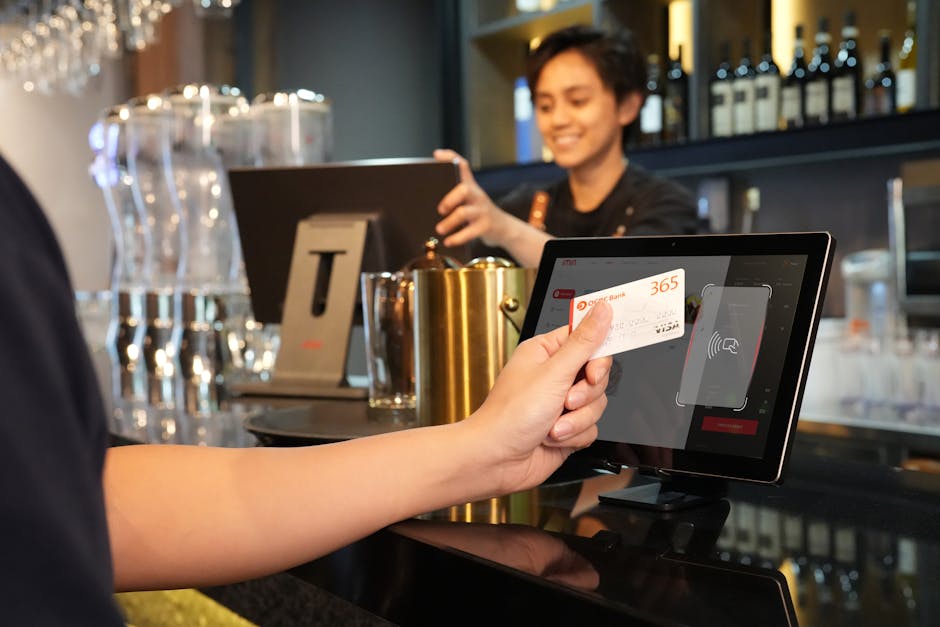
Photo by iMin Technology / Pexels
Common Mistakes That Make Bar Screens Feel Like Random TVs
McKinsey reported that U.S. "food away from home" prices rose about 6% from January 2024 to September 2025, while "food at home" rose about 3%. When guests are evaluating value harder, unclear or stale screen content becomes a commercial problem.5
The most common mistake is treating every screen the same. The entrance, bar top, lounge, and stage do not need identical content.
Other mistakes show up quickly:
- Too much text: guests will not read paragraphs in a loud room.
- No dayparting: the same slide runs during happy hour, dinner, and late night.
- Old offers: expired specials stay visible and create staff conflict.
- Tiny pricing: drinks look good, but nobody can read the numbers.
- No owner: everyone assumes someone else is updating the screens.
- Too much motion: visuals fight the atmosphere instead of supporting it.
- No measurement: the venue never checks whether promoted items moved.
The fix is boring but effective: one owner, one weekly update rhythm, and one purpose per screen.
For broader signage basics, see what digital signage is. For venue-specific planning, keep the commercial path tied to bars and nightclubs and the budget tied to pricing.
Want bar screens that are easier to update before happy hour, game day, or a late-night event? Start with the venue workflow for bars and nightclubs, then compare plans on Visora pricing before you buy extra hardware.
Frequently Asked Questions About Digital Signage for Bars
Popmenu says 41% of consumers expect restaurants to use technology to make the experience faster, more convenient, or more informed. The best bar signage answers practical guest questions: what is on, what is available, what is special, where to go, and what happens next.2
What is digital signage for bars?
Digital signage for bars is a screen system used to show drink menus, happy hour offers, event schedules, sports schedules, bottle service, house rules, QR codes, and real-time updates. The value comes from changing the message quickly by time, crowd, or venue zone.
Is digital signage worth it for a small bar?
It can be worth it when the bar changes offers often, runs events, promotes high-margin drinks, or needs faster updates than printed signs allow. Small bars can start with one existing TV and expand only after the workflow proves useful.
What should bars show on digital signage?
Show the content that changes or drives decisions: drink specials, tap lists, cocktails, food pairings, happy hour timers, event schedules, sports calendars, QR codes, featured bottles, house rules, and last-call messages.
Can digital signage promote happy hour automatically?
Yes. With scheduling, a bar can show happy hour content only during the correct window, then switch to dinner, event, late-night, or closing messages without staff manually replacing files.
Do bars need commercial displays?
Not always. Many small indoor bars can start with reliable TVs they already own. Commercial displays make more sense for long operating hours, bright rooms, outdoor visibility, heavy-duty mounting, or larger multi-screen networks.
Where should a bar place digital signage screens?
The best placements are usually the entrance, back bar, order point, stage or DJ area, table zone, VIP area, and sports-viewing area. Each screen should have one job instead of repeating the same slide everywhere.
How do bars measure digital signage ROI?
Measure promoted drink movement, happy hour sales, event attendance, average ticket, questions reduced at the bar, update time saved, and print costs avoided. Avoid judging ROI by screen brightness or design quality alone.
Ready to make bar screens easier to manage? Use Visora to keep specials, events, and venue messages current, then scale from one screen to a full venue plan. Compare options on pricing and map your first rollout through bars and nightclubs.