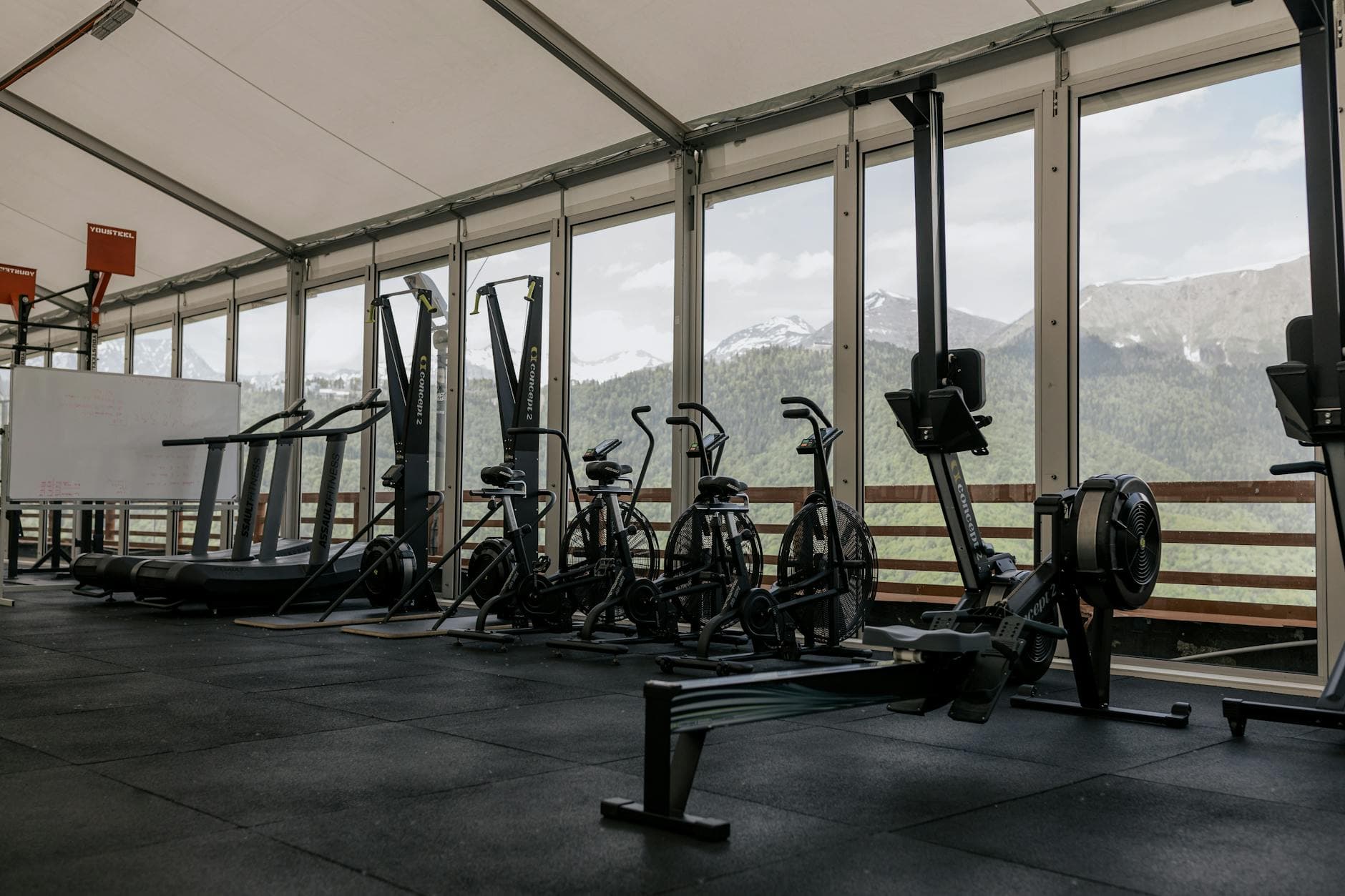
Digital signage for gyms works best when it makes the facility easier to run: current class schedules, instructor changes, membership promos, wayfinding, retail offers, leaderboards, and safety notices on screens your team can update quickly. Start with one screen job, measure one outcome, then expand by zone.
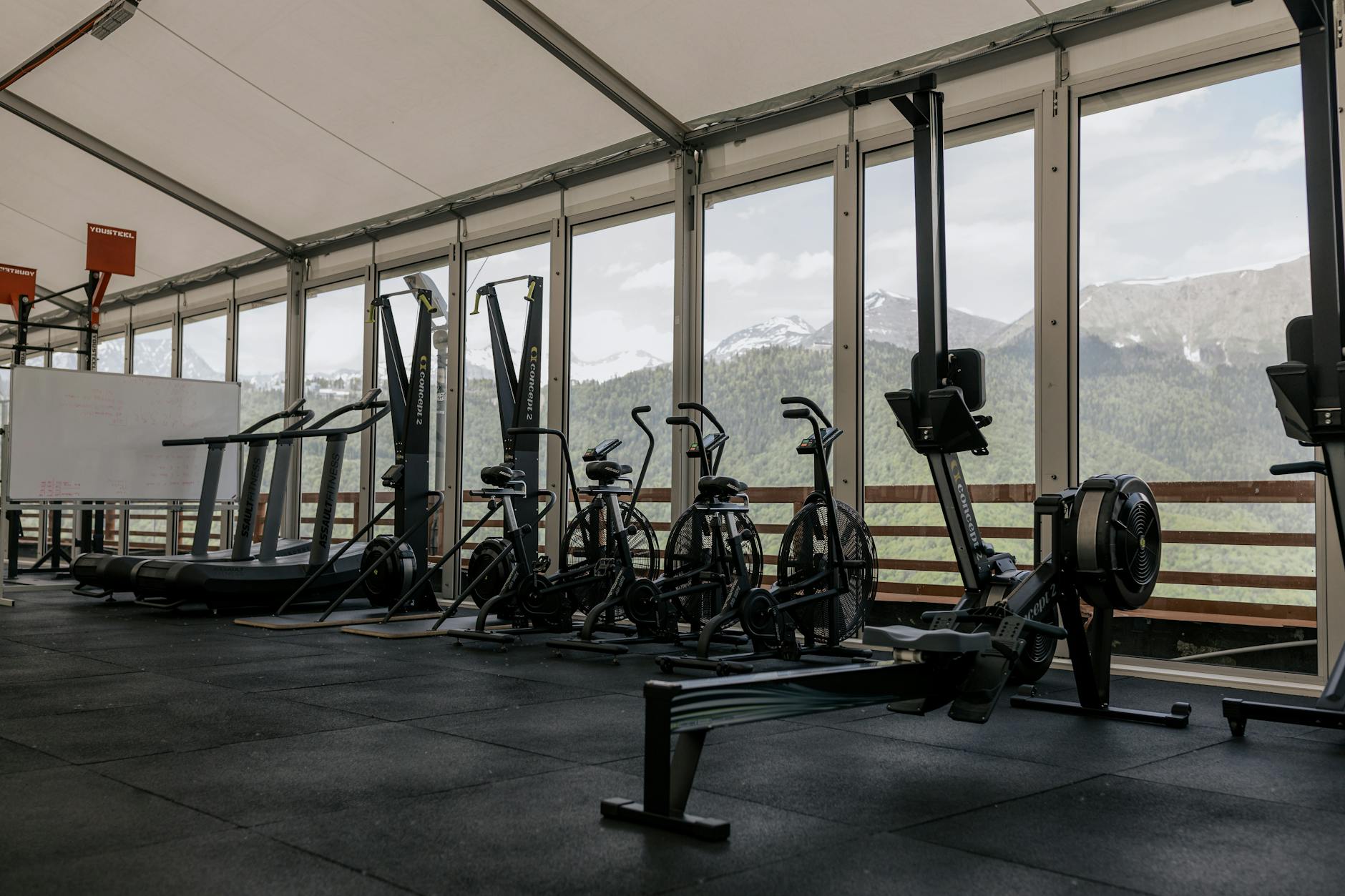
Photo by Anastasia Shuraeva / Pexels
Why does digital signage for gyms matter in 2026?
The Health & Fitness Association reported that 81 million Americans held a fitness facility membership in 2025, up 5.2% from 2024. US facilities also recorded nearly 7 billion visits, while the share of members who never used their membership fell to 4.6%.1
More members and more visits create more communication moments. A gym has to explain today's schedule, route people to the right studio, promote add-on services, warn about closures, and keep community activity visible without turning the front desk into an information booth.
That is the practical value of digital signage. It is not just "screens in a gym." It is a faster way to manage messages inside a space where people are moving, scanning, and making quick decisions.
Good gym signage can:
- Show today's class schedule near the entrance or studio door
- Promote personal training when members are thinking about goals
- Point new members toward locker rooms, recovery areas, or check-in
- Highlight smoothie bar, supplement, or retail offers after workouts
- Celebrate challenges, milestones, and member achievements
- Replace printed notices for holiday hours, closures, and maintenance
For the full vertical page, see Visora's digital signage for gyms and fitness guide. This article focuses on the article-level playbook: what to show, where to place it, how to schedule it, and what to measure.
What should your gym screens show first?
ABC Fitness reported 7.2 million gym new joins in 2025, and 47% of those new joins came from Gen Z. The same report said nearly half of Gen Z members cited community as the reason they stay with fitness, making in-club messages part of retention, not just promotion.2
Start with content members already need. Many gyms make the mistake of launching with brand videos, inspirational quotes, or generic loops. Those can help atmosphere, but they should not replace useful operational content.
Prioritize these first:
- Class schedules: start times, instructor names, room numbers, class level, and last-minute changes.
- Member guidance: check-in instructions, trial-guest flow, locker room directions, towel policy, and safety reminders.
- Revenue prompts: personal training consultations, referral offers, retail bundles, smoothie specials, recovery sessions, and membership upgrades.
- Community content: challenge rankings, milestones, member of the month, charity events, and group photos.
- Time-sensitive notices: room closures, holiday hours, maintenance, weather disruptions, parking changes, and app downtime.
The first screen should solve one problem. If the front desk gets constant schedule questions, start with the lobby schedule. If classes are underfilled, start near the studio door. If personal training leads are weak, use the strength floor and consultation area.
Where should gym digital signage go?
ClassPass found that global fitness reservations rose 36% year over year in 2025, while wellness reservations rose 37%. As more people book classes and recovery services, screens should match the full member journey: arrival, warmup, workout, recovery, checkout, and return visits.3
Placement matters more than screen count. One well-placed schedule screen can outperform five screens playing the same generic loop.
Use a zone map:
| Zone | Best screen job |
|---|---|
| Lobby or check-in | Today's schedule, trial-member instructions, referral offer |
| Studio entrance | Next class, instructor, waitlist, room rules |
| Cardio floor | Upcoming classes, challenges, recovery prompts |
| Strength area | Form tips, personal training, equipment etiquette |
| Locker hallway | Holiday hours, maintenance, app QR codes |
| Recovery area | Massage, stretching, sauna, mobility, packages |
| Retail or smoothie counter | Protein, snacks, bundles, post-workout offers |
Different zones deserve different messages. A member walking into a HIIT class needs timing and room information. A member leaving a workout is more open to recovery, smoothie, retail, or coaching prompts. A first-time visitor needs orientation, not a leaderboard.
For broader signage basics, read what digital signage is. The core idea is the same across industries: the screen should update physical-space information faster than paper can.
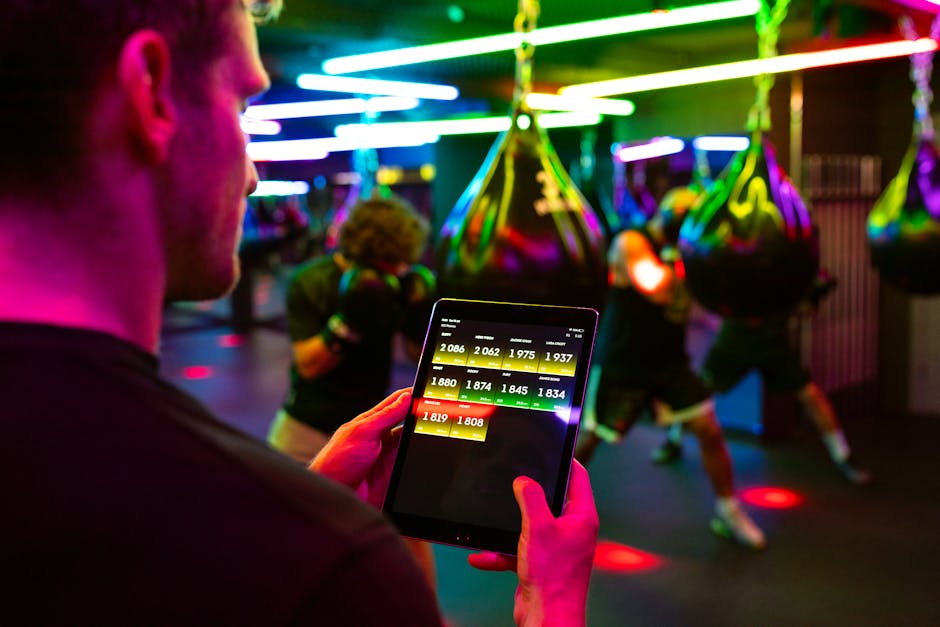
Photo by ThisIsEngineering / Pexels
How should class schedules and promos be timed?
ClassPass reported that reservations between 11:00 a.m. and 1:00 p.m. rose 38% globally in 2025. It also found the most popular weekday workout time was 6:00 p.m., which means gym screen content should change by daypart instead of staying identical from open to close.3
Scheduling is where gym signage becomes operational. A screen that shows next week's promo all day is less useful than a screen that changes based on who is in the building right now.
Build content blocks around member rhythm:
- Opening: early classes, quiet rules, locker reminders, coffee or smoothie prompts
- Morning peak: class countdowns, trainer availability, equipment etiquette
- Lunch window: short classes, express workouts, quick recovery offers
- Afternoon: trial follow-ups, youth programs, off-peak promotions
- Evening peak: waitlist updates, high-demand class reminders, referral prompts
- Weekend: family programming, events, intro sessions, community challenges
- Renewal periods: membership deadlines, freeze policies, upgrade offers
This does not require a complex rollout. A small gym can start with a weekday playlist, a weekend playlist, and a simple override for cancelled classes or closures. The risk to avoid is stale content: old promos, wrong instructors, expired holiday hours, or a class that was cancelled but still appears on screen.
Need gym screens that change with the day instead of sitting stale? Start with the gyms and fitness industry workflow, then compare plans on Visora pricing before buying extra hardware.
Hardware and Software Checklist
Grand View Research estimated the global digital signage market at USD 31.09 billion in 2025 and expected it to reach USD 33.56 billion in 2026. Hardware held 59.0% of 2025 revenue, which is a useful reminder that screen planning can get expensive if software fit is ignored.4
Do not start by asking, "What is the biggest screen we can buy?" Start with the job of the screen and the conditions around it.
Ask these questions before purchasing hardware:
- Will the screen run all day, every day?
- Is the room bright, humid, dusty, or close to impact?
- Is the screen readable from where members actually stand?
- Does the team need one screen, a few zones, or multiple locations?
- Can staff update content from a browser or phone?
- Can content run if Wi-Fi is congested?
- Can different zones show different playlists?
- Can the same system handle emergency notices?
Many small indoor gyms can start with TVs they already own. Commercial displays make more sense for long operating hours, bright rooms, heavy-use areas, or larger networks. The key is to avoid buying a hardware-heavy setup that only one person knows how to update.
If budget is the question, anchor the decision in Visora pricing and the number of screens you actually plan to operate this quarter, not a future dream rollout.
How do you keep content fresh without adding work?
Mindbody's 2025 State of the Industry Report found 72% of fitness and wellness operators were confident about performance in 2025. Among businesses proactively investing in technology, confidence rose to 81%, which points to a bigger issue: technology has to reduce operational drag, not add another chore.5
The best signage system is the one your team keeps using after launch week. Content goes stale when the update process is unclear, slow, or owner-dependent.
Create a simple operating rhythm:
- One person owns weekly updates.
- One backup person can make urgent edits.
- Class changes are updated the same day.
- Promotions have start and end dates.
- Expired slides are removed automatically.
- Staff can report wrong screen content in one shared channel.
- The team reviews performance once a month.
Templates help, but ownership matters more. A gym can have beautiful designs and still fail if nobody removes an expired promo. Keep the content calendar boring and reliable: weekly schedule refresh, monthly challenge update, seasonal offer swap, and emergency notice workflow.
For gym owners comparing software options, the practical test is simple: can a front-desk lead update tomorrow's schedule in under a minute without calling IT?
What should gyms measure after launch?
ABC Fitness said 61% of members used AI-driven fitness tracking tools in 2025, while 49% used nutrition apps. ACSM also named wearable technology the number one fitness trend for 2026. Members already expect data-aware experiences, so screen performance should be measured with the same discipline.26
Do not judge signage by whether the lobby looks more modern. Judge it by whether it changes behavior or reduces work.
Track metrics tied to the screen job:
- Class attendance after schedule screens go live
- Waitlist usage after studio-door reminders
- Personal training leads from strength-floor prompts
- Smoothie, retail, or recovery purchases after post-workout promos
- Referral signups during member-bring-a-friend campaigns
- Front-desk questions about schedules, rooms, and closures
- Time saved replacing printed signs
- Errors avoided when classes or holiday hours change
Pick one metric for the first month. A gym that tries to measure everything usually learns nothing. If the first screen is a schedule screen, measure class questions and attendance. If the first screen is a revenue screen, measure leads or add-on sales. If the first screen is a wayfinding screen, measure repeated staff interruptions.

Photo by cottonbro studio / Pexels
Common Mistakes to Avoid
HFA reported that Gen Z adults aged 18-24 had the highest fitness membership penetration of any US age group in 2025 at 35.5%. Younger members are used to fast, current information, so stale screens can make a facility feel less organized than the app experiences they use daily.1
Most gym signage problems are not technical. They are content problems.
Avoid these mistakes:
- One loop everywhere: the lobby, studio, and strength floor need different content.
- Too much text: members are walking, stretching, lifting, or checking in.
- No expiration dates: old offers create staff confusion and member frustration.
- Tiny schedules: class screens need large times, room names, and instructor names.
- Owner-only access: if only one person can update content, screens will go stale.
- No fallback plan: Wi-Fi congestion should not blank important content.
- No measurement: if the screen has no target, the team cannot improve it.
The fix is straightforward: one job per screen, one owner for content, one weekly review, and one metric at launch. Once that rhythm works, expand to more zones.
For a simple starting point, map the first screen through digital signage for gyms and fitness, then use pricing to keep the rollout sized to the current facility.
Frequently Asked Questions
The fitness category is more dynamic than it was even a few years ago. ClassPass saw Pilates bookings rise 66% in 2025, Gym Time rise 51%, and sports recovery rise 155%. Screens help gyms explain fast-changing formats without relying on printed posters.3
What is digital signage for gyms?
Digital signage for gyms is a screen system used to show class schedules, instructor changes, membership offers, personal training promos, wayfinding, safety notices, leaderboards, and member updates. The value comes from keeping in-facility communication current without reprinting signs.
What should a gym show on digital signage first?
Start with the messages members ask about or act on most: today's class schedule, studio room changes, personal training availability, retail or smoothie offers, challenge boards, recovery services, QR codes, and temporary closures.
Where should gym digital signage screens go?
The highest-value placements are usually the lobby, check-in desk, studio entrance, cardio floor, strength area, locker hallway, recovery zone, and retail or smoothie counter. Each zone should show content that matches the decision members make there.
Can gym digital signage update class schedules automatically?
Yes. A cloud-managed signage setup can schedule different content by day and time, so morning classes, lunch-hour sessions, evening promos, holiday notices, and instructor changes appear without staff walking around with USB drives.
Do small gyms need commercial displays?
Not always. A small indoor gym can often start with existing TVs if the screens are readable and reliable. Commercial displays become more important for long daily run times, bright rooms, humid areas, impact risk, or larger multi-screen networks.
How do gyms measure digital signage ROI?
Measure outcomes tied to the screen's job: class bookings, personal training leads, retail add-ons, referral signups, fewer front-desk questions, faster schedule updates, fewer print costs, and member response to promoted programs.
Is digital signage useful for boutique fitness studios?
Yes. Boutique studios can use screens for class countdowns, room instructions, instructor spotlights, waitlist reminders, challenge boards, recovery offers, and post-class retail prompts. The setup should stay simple because studio teams often run lean.
Ready to make gym screens easier to manage? Use Visora to keep schedules, promos, and member updates current from one dashboard. Start with the gyms and fitness guide, then compare options on pricing.
Footnotes
-
Health & Fitness Association, 81 Million Americans Were Members of a Fitness Facility in 2025 ↩ ↩2
-
ABC Fitness, 2025 Year-End Wellness Watch Report press release ↩ ↩2
-
Grand View Research, Digital Signage Market Size, Share, Industry Report, 2033 ↩
-
American College of Sports Medicine, Top Fitness Trends for 2026 ↩